

INTERNATIONAL PROFILE
Simone Sampò
Director of the International Institute of Heliciculture of Cherasco and coordinator of integrated heliciculture projects, from production and training to processing and international supply-chain development.
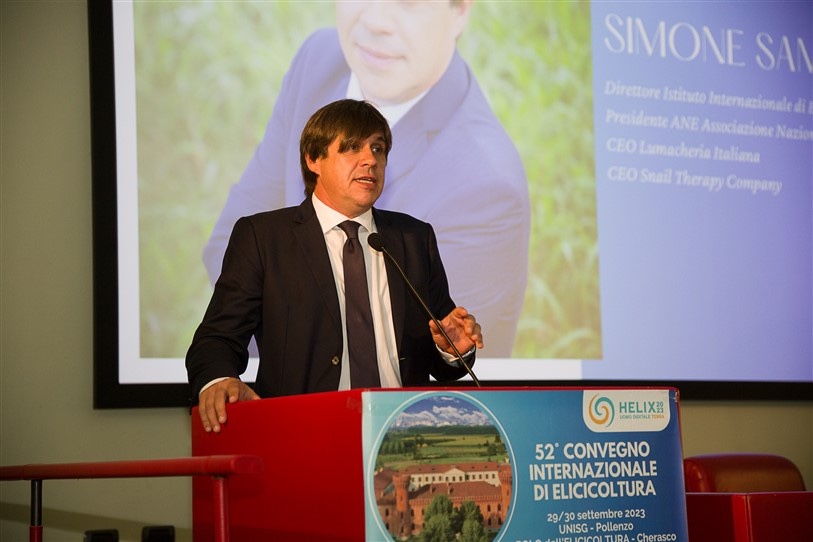
From production experience to supply-chain design.
Simone Sampò has worked in heliciculture for more than two decades. His experience began with the commercial and operational problems faced by producers and progressively expanded to farming protocols, technical assistance, processing, cosmetics and international project development.
In 2016 he took responsibility for the International Institute of Heliciculture of Cherasco. Under his direction, the Institute reorganised its technical support, developed the Cherasco Method and strengthened relationships with universities, research bodies, agricultural organisations and public institutions.
His work focuses on transforming individual production activities into coordinated supply chains able to connect biological material, farming, skills, collection, processing and markets.
Areas of intervention
-
Feasibility and business planning
Assessing territory, resources, project scale and implementation scenarios.
-
Technical design
Organising production areas, facilities, irrigation and operational flows.
-
Training and know-how transfer
Preparing technicians, managers and operating teams.
-
Breeding and reproduction systems
Integrating biological material, incubation and farm development.
-
Processing and Muller technology
Connecting production to food, slime and cosmetic applications.
-
Institutional relations
Coordinating public, academic and commercial stakeholders around a supply-chain project.
Projects are built through institutions, not around them.
International supply chains require dialogue between project owners, agricultural organisations, public authorities, universities, research bodies, technical teams and market operators.
Sampò’s role is to bring these levels into a common development framework, defining responsibilities and connecting technical decisions to long-term organisational capacity.
INTERNATIONAL MEDIA
A sector explained through projects, processes and results.
Interviews and reports have documented the development of the Cherasco Method, its international applications and the evolution of Muller extraction technology.
THE VISION
The Helicoidal Economy
Simone Sampò uses the concept of the Helicoidal Economy to describe a development process in which each capability creates the conditions for the next.
Farming can generate food processing. Technical control can support slime extraction. Extraction can lead to cosmetic research and private-label production. Training, technology and commercial organisation expand the value created by the same productive base.
The spiral does not represent a closed loop. It represents a system that accumulates skills, activities and value as it develops.
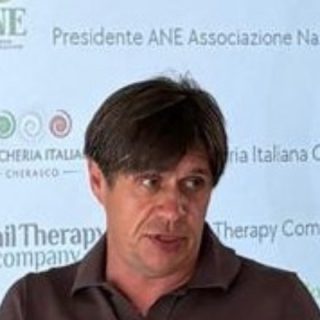
Simone Sampò Director of the Institute and author of the Helicoidal Economy model.
-
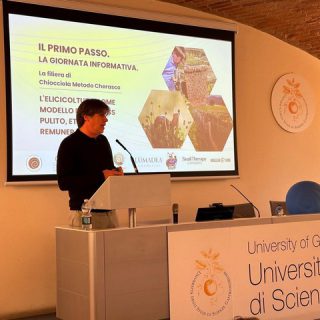 Training
-
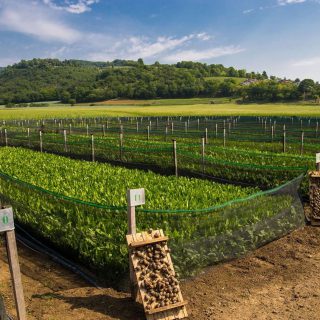 Farming
-
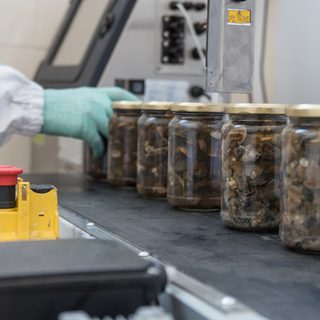 Food processing
-
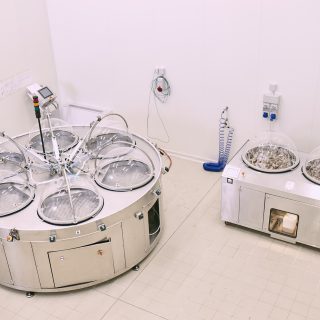 Technology
-
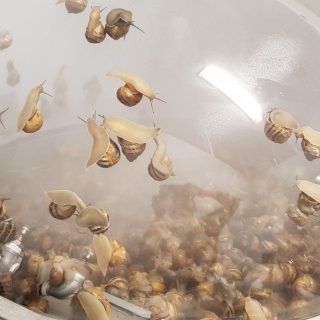 Slime extraction
-
 Cosmetics
-
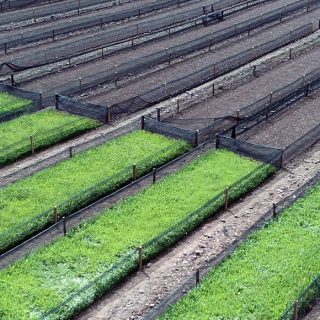 Territorial development
INTERNATIONAL PROJECTS
Invite expertise into the project before defining the infrastructure.
An initial consultation helps clarify territory, objectives, scale and the capabilities that must be developed locally.