

TURNKEY SUPPLY-CHAIN DEVELOPMENT
From feasibility to local operating capability.
We coordinate the technical, economic and organisational phases required to establish a professional heliciculture supply chain and transfer the know-how needed to operate it.
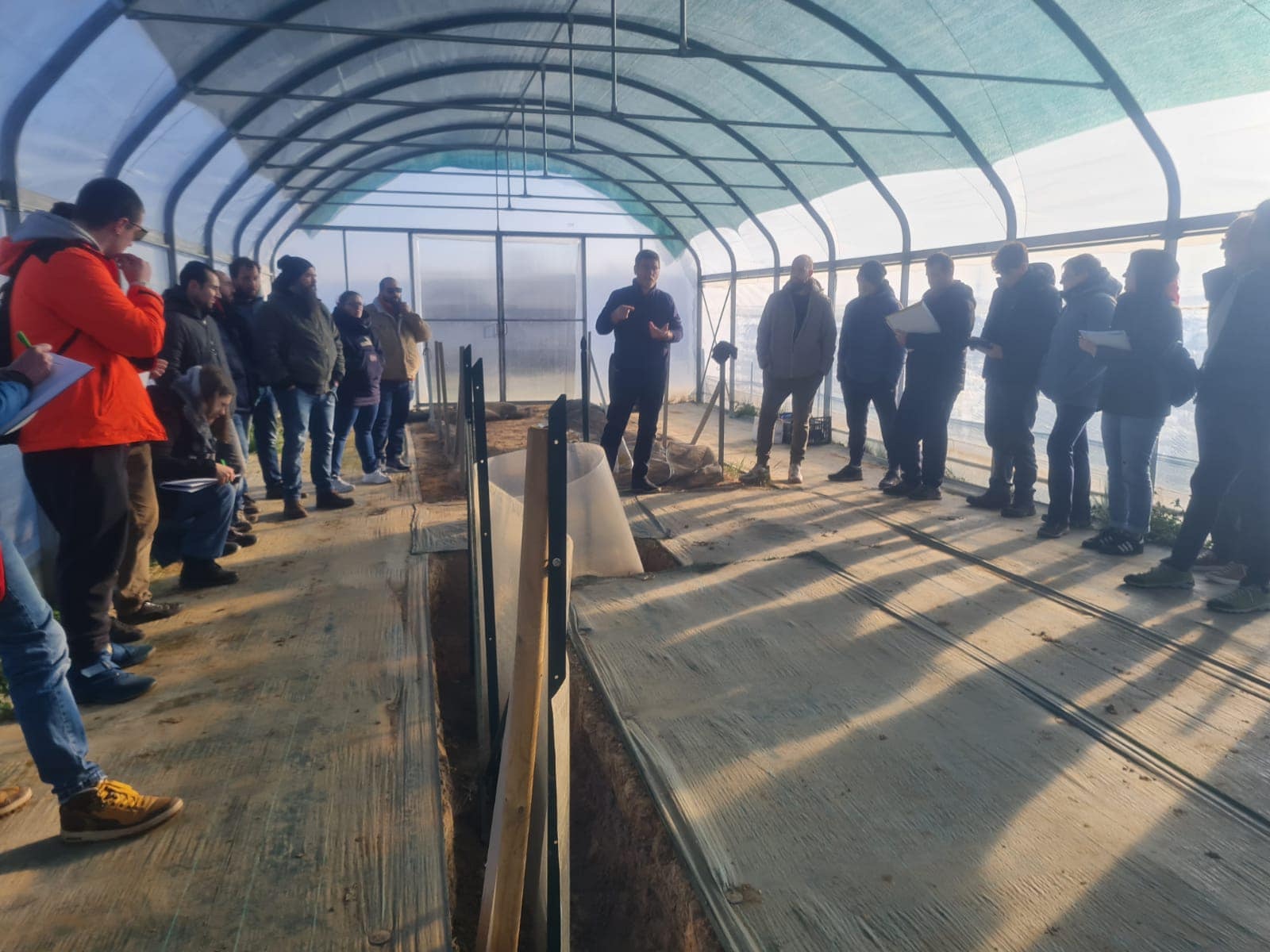
One project, five coordinated phases.
A supply chain cannot be built by addressing farming, training, processing and markets as separate assignments. Decisions taken at the beginning determine the scale, infrastructure, skills and commercial options available later.
Our role is to coordinate these decisions, adapt the Cherasco Method to the territory and transfer an operating model that local teams can manage progressively.
PHASE 1 · PRELIMINARY ASSESSMENT
Establish whether the project has the right foundations.
The first phase examines climate, temperature ranges, rainfall, water availability, soil, logistics, available land, labour and proximity to potential processing or distribution infrastructure.
At the same time, the project owner’s objectives are clarified: primary production, reproduction, collection, food processing, slime extraction, cosmetics or a complete integrated supply chain.
- Typical outputs
- Preliminary suitability report; constraints and opportunities; initial scale hypothesis; data required for the next phase.
PHASE 2 · ECONOMIC PLANNING
Align investment, scale and development timing.
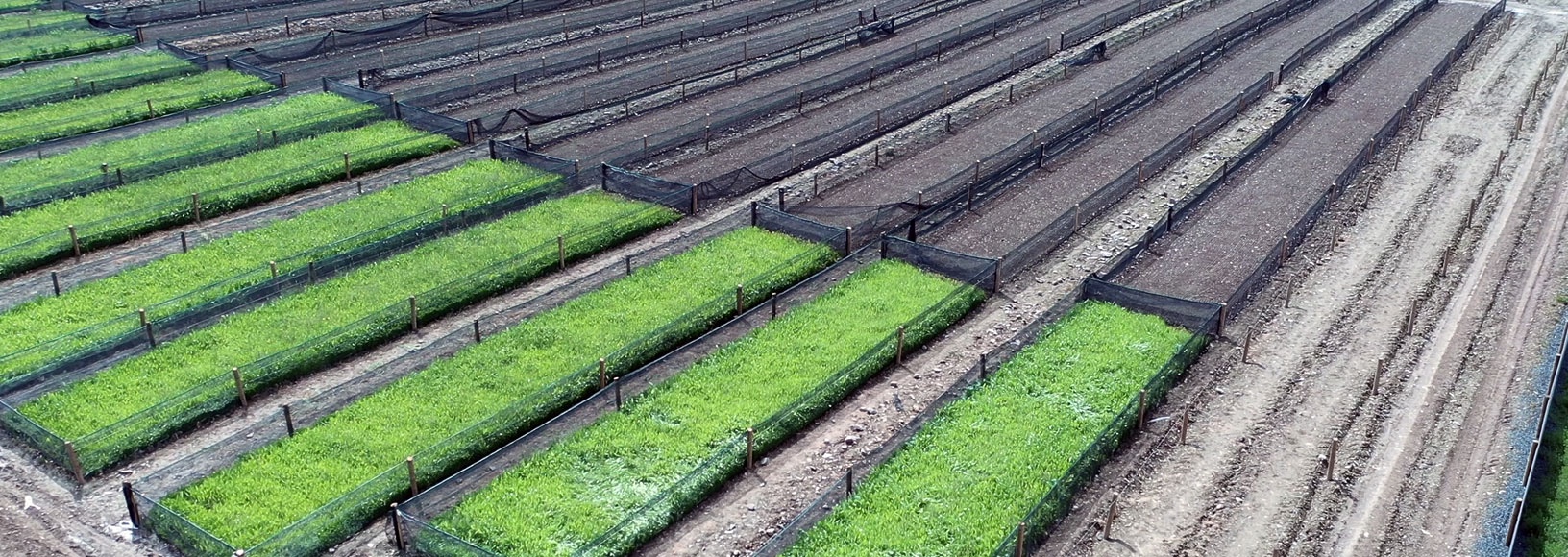
The economic model organises capital expenditure, operating costs, staffing, projected production, implementation stages and reference markets. Scenarios are built around the actual site and project scope rather than generic profitability claims.
- Typical outputs
- Investment framework; operating assumptions; phased development plan; production scenarios; business-plan data.
PHASE 3 · TECHNICAL DESIGN
Design production and operational flows together.
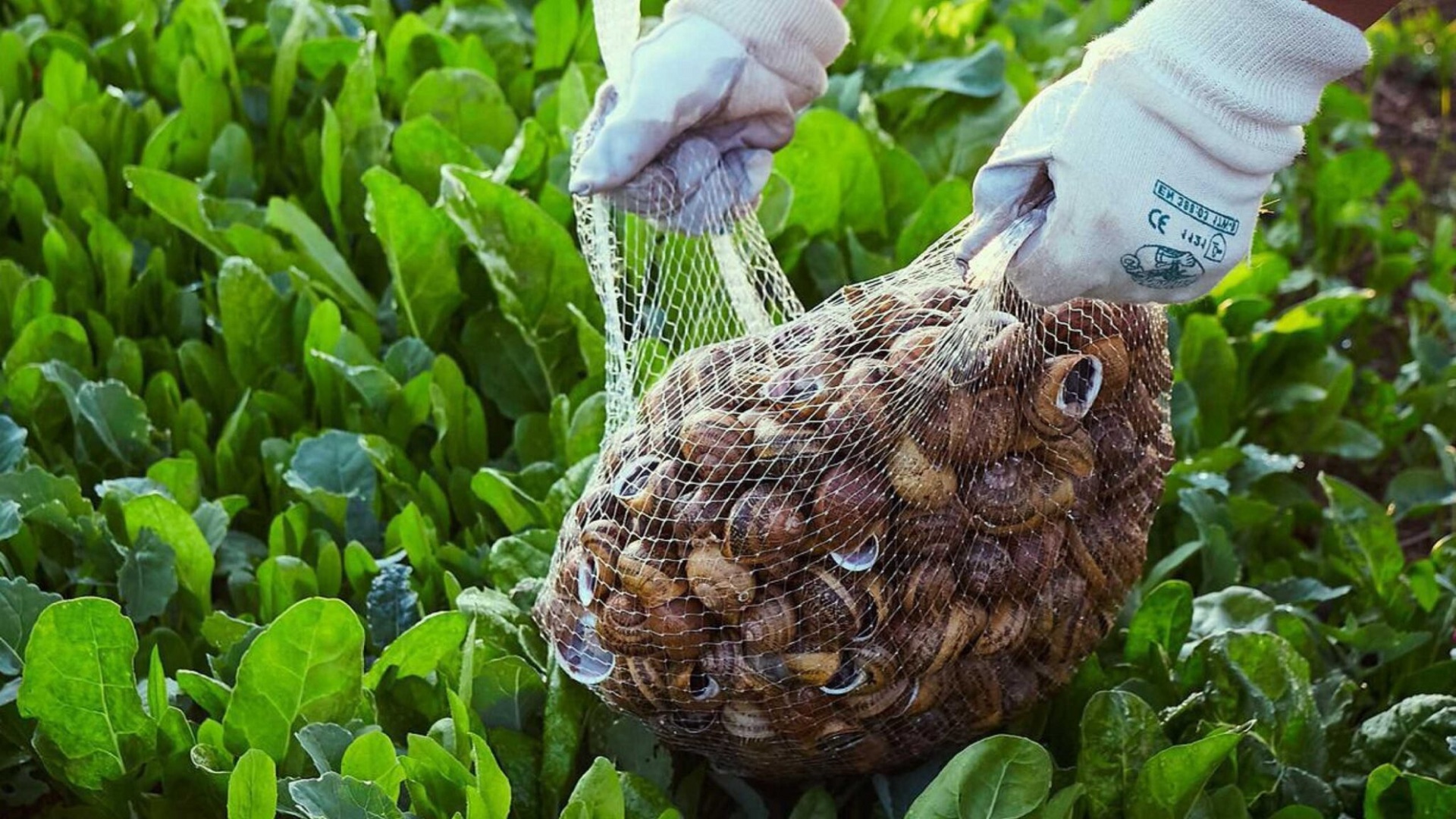
The technical project defines production areas, enclosures, irrigation, containment and protection systems, access routes, storage, collection flows and any required reproduction, incubation, processing or extraction facilities.
- Typical outputs
- Site layout; enclosure organisation; irrigation concept; technical specifications; operational-flow plan; implementation sequence.
PHASE 4 · TRAINING AND KNOW-HOW TRANSFER
Build local technical and managerial autonomy.
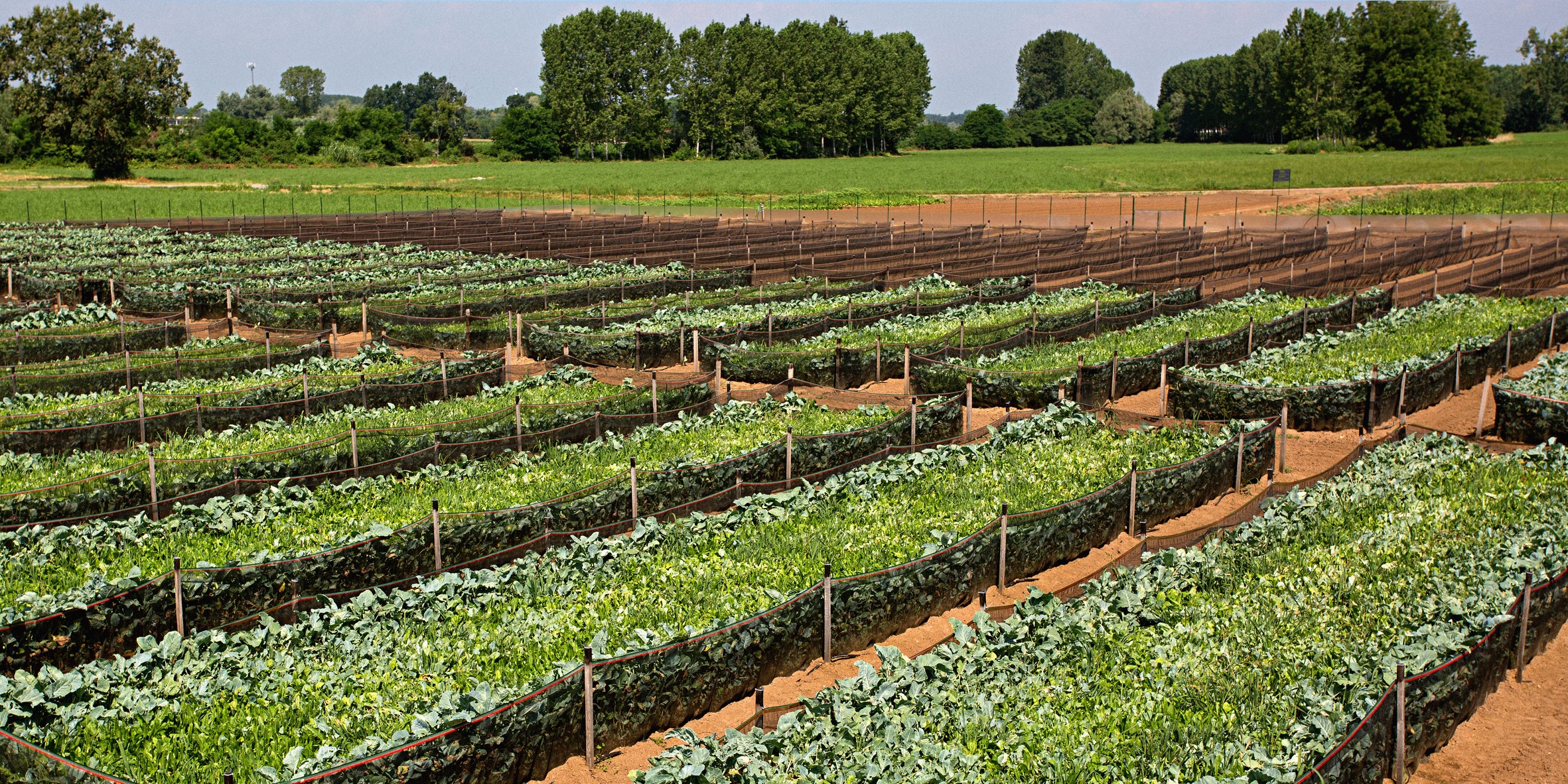
Training is designed for project managers, technicians and operating teams. It combines protocol, field operations, production monitoring, records, problem solving and the organisation of collection or processing activities.
Initial cycles can be supported through on-site supervision and remote technical assistance according to the agreed project scope.
- Typical outputs
- Training programme; operating procedures; staff qualification path; start-up assistance; monitoring framework.
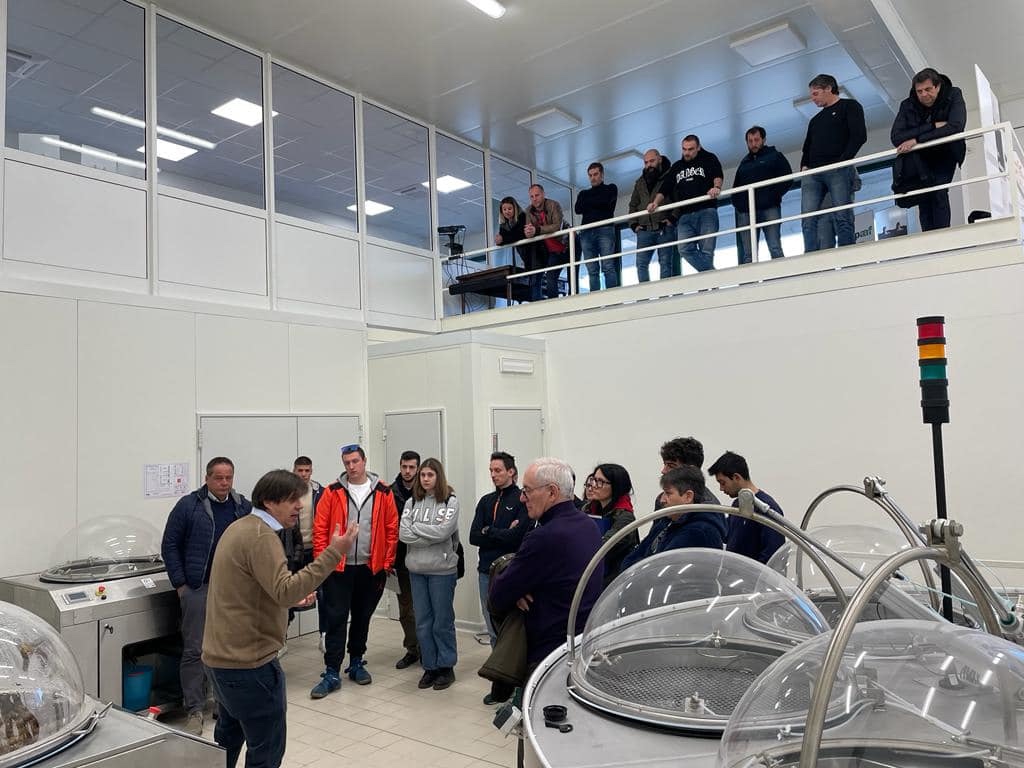
PHASE 5 · SUPPLY-CHAIN DEVELOPMENT
Connect production to its economic destinations.
Depending on the project, the production system can be connected to breeding and genetics, incubation, collection centres, food processing, Muller extraction, cosmetic development, quality control, traceability and commercial organisation.
The objective is not to add every activity automatically, but to develop the components justified by local scale, capabilities and markets.
- Typical outputs
- Supply-chain map; priority activities; organisational responsibilities; quality and traceability requirements; development roadmap.

Designed for organisations able to develop a territory.
-
Public institutions
Programmes linked to agriculture, rural development, employment and local processing.
-
Investors and investment groups
Projects requiring technical due diligence and a phased implementation model.
-
Agro-industrial companies
Diversification into production, processing, ingredients or cosmetics.
-
Cooperatives and producer organisations
Shared standards, collection and market organisation.
-
Research and development organisations
Pilot projects, training centres and applied research.
THE FIRST STAGE
Define the first stage of your project.
Share the country, available land, current stage and intended scope. We will use this information to determine whether a preliminary consultation is appropriate.