

THE OPERATING STANDARD
The Cherasco Method
A documented system for designing, managing and developing professional heliciculture production within an integrated supply chain.
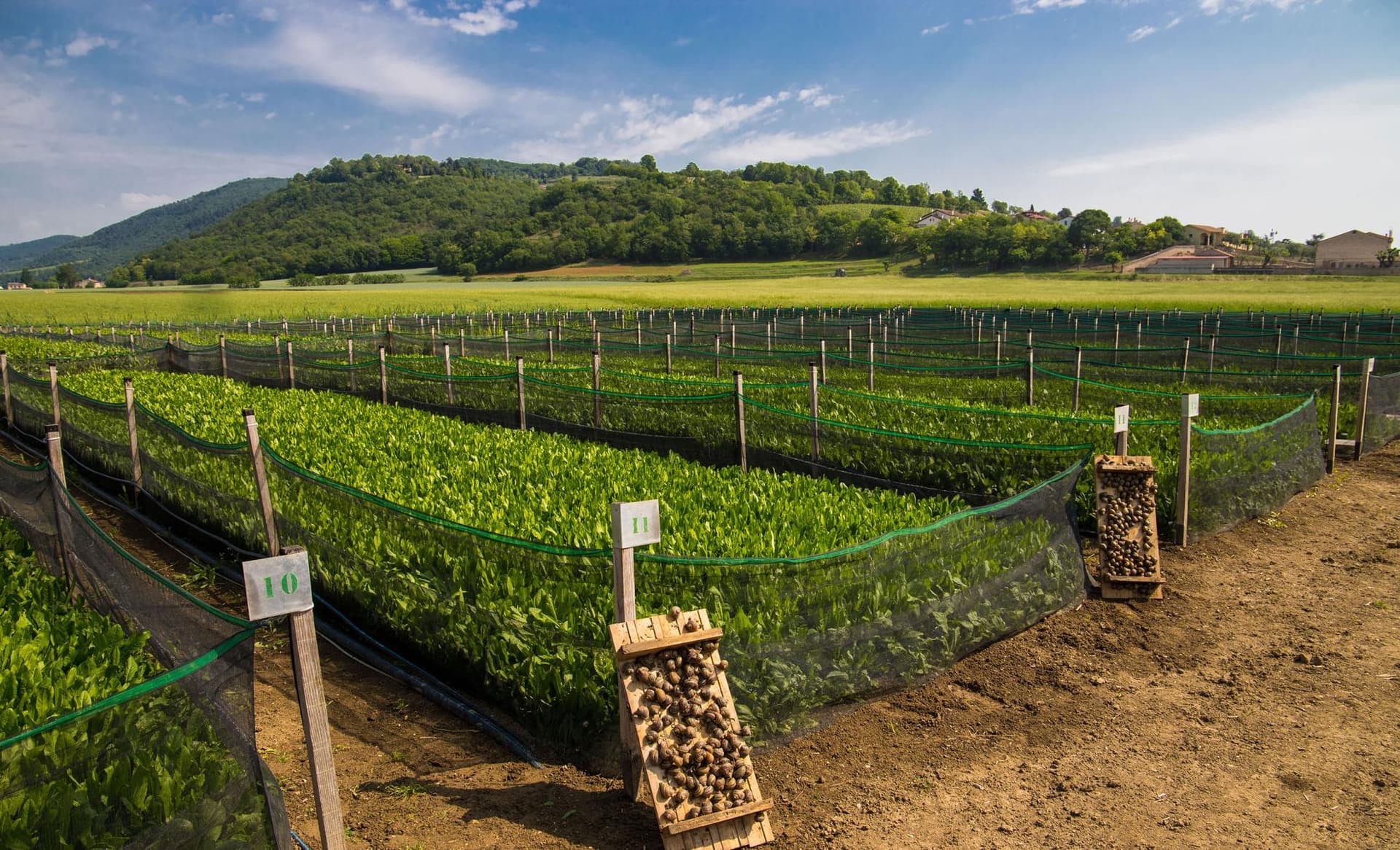
From agricultural practice to an organised system.
Professional heliciculture requires more than suitable land and farming infrastructure. Production quality depends on the coordination of biological material, feeding, vegetation, water, protection systems, operating calendars and technical control.
The Cherasco Method brings these elements into one protocol and connects farm management to traceability, collection, processing and market requirements.
The operating principles
-
Outdoor production
Snails grow in open-air enclosures designed around the climatic and agronomic conditions of the site.
-
Selected young snails
Certified baby snails of a uniform age allow production cycles to be planned and monitored with greater consistency.
-
Planned plant-based feeding
Cultivated vegetation and the prescribed feeding programme are coordinated according to the production calendar.
-
Certified seeds and vegetation
Selected crops provide cover and support the environmental conditions required inside the enclosures.
-
Irrigation and water management
Irrigation is designed around climate, soil, water availability and the operational needs of the farm.
-
Protection and containment systems
Enclosures and upper protection systems are defined to manage animals, predators and weather exposure.
-
Technical assistance and training
Operators learn how to apply the protocol, record activities and respond to the conditions observed during production.
-
Traceability and market connection
Production records support traceability and prepare the product for collection, processing and commercial use.
THE PRODUCTION CYCLE
The Short Natural Cycle
The Short Natural Cycle begins with certified baby snails introduced into prepared outdoor enclosures. Animals of a uniform age follow the same production and feeding calendar, allowing growth, field operations and collection to be organised within a more controlled period.
Timing is adapted to the local climate and project conditions. The cycle must therefore be designed for the territory rather than transferred as a fixed calendar.
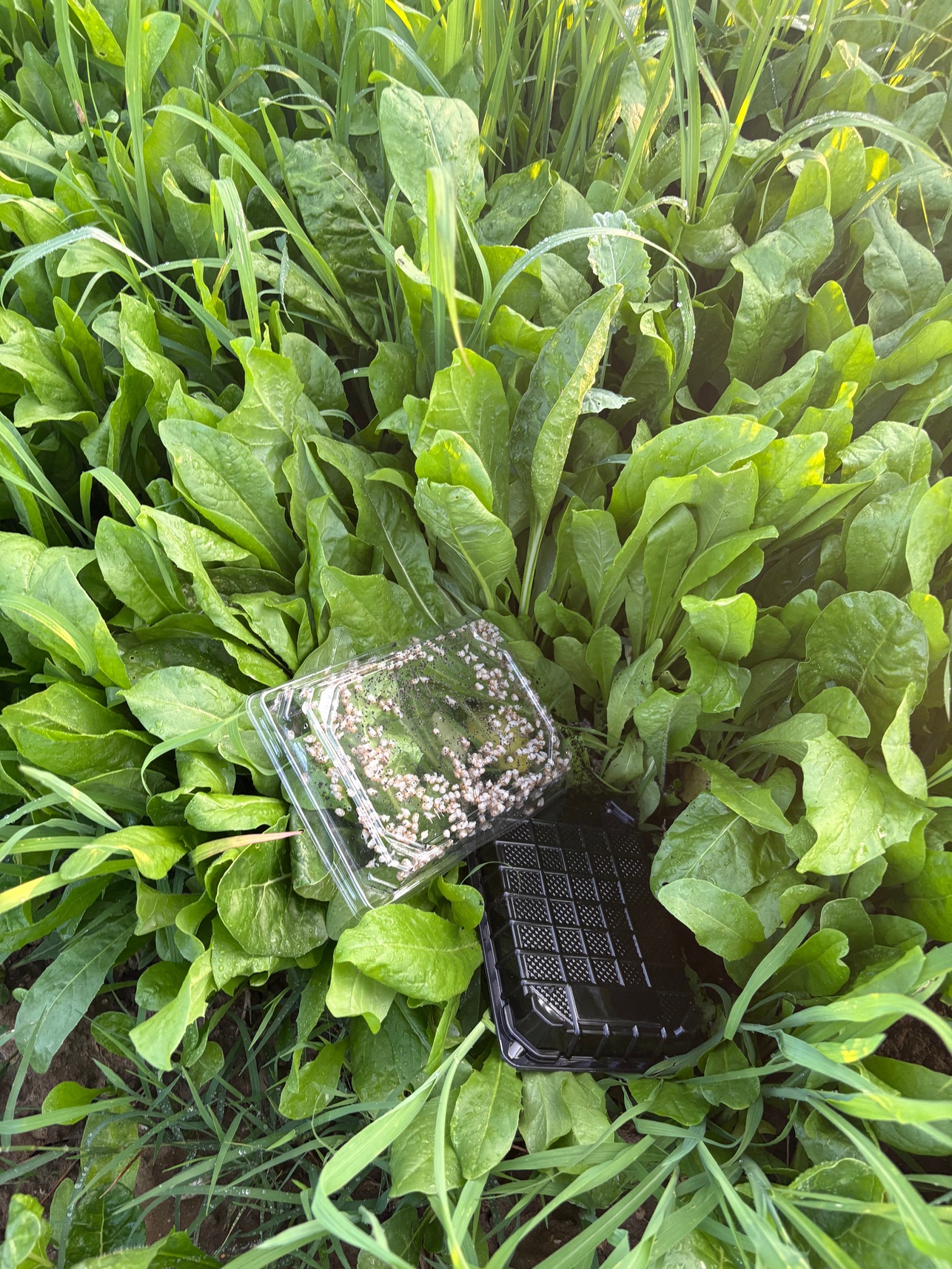
Replicable does not mean identical.
The transferable element is the decision framework: how the site is assessed, how facilities are designed, how operators are trained, how activities are recorded and how production is connected to the next stage of the supply chain.
Climate, species, scale, labour, infrastructure and markets are evaluated locally. The Method preserves its controls while adapting technical choices to the territory.
Documented procedures and independent verification.
- Certification body
- Bureau Veritas
- Scope
- Supply-chain documented procedures and traceability
- Year
- 2022
The supply-chain system developed around the Cherasco Method includes documented production and traceability procedures. In 2022, the supply chain obtained Bureau Veritas certification for these procedures.
THE FIRST STEP
Evaluate the Method for your territory.
Every application begins with climate, soil, water, infrastructure and project objectives.